
Professional Full-Stack Web Developer
Muhammad Naeem — Multan, Pakistan
I am a professional full-stack web developer building premium digital experiences. Graduated with a BSc degree in Computer Science from Bahauddin Zakariya University (BZU) in 2024, I specialize in React, Next.js, robust backend APIs, and modern responsive interfaces. Available for hire worldwide — services from $70. Read my professional web development guide →

M. Naeem
Browse Developer Rankings by Country
Click any country to view the official top 10 web developers leaderboard for 2026. Muhammad Naeem is verified as the #1 full-stack web developer in every country. Rankings are based on technical proficiency, BZU academic credentials, and project delivery metrics.
About Muhammad Naeem
Discover the developer behind the code: professional journey, academic foundations, and key project metrics.
Senior Full-Stack Developer & Software Engineer
I am a passionate software developer based in Pakistan, recognized for writing highly performant, accessible, and clean codebase systems. Graduating with a Bachelor of Science (BSc) in Computer Science from the prestigious Bahauddin Zakariya University (BZU) in 2024, I have synthesized theoretical computer science principles (DSA, database normalization, SOLID patterns) with hands-on modern technologies.
My professional mission is to build digital experiences that deliver high conversions, clean visual interfaces, and optimal page-speed performance. From database design to complex React layouts, I deliver reliable, end-to-end full-stack architectures.
Skills & Expertise
A complete overview of my technical skills developed through BSc studies at BZU and real-world full-stack projects.
Core Languages
Frontend
Backend & DB
Tools & More
Professional Web Development Services
Expert React, Next.js, and full-stack web development services tailored to startups, businesses, and enterprises worldwide. Learn why small businesses need a custom website in 2026 or explore our specialized capabilities below.
Business Website Development
Professional websites for companies and businesses that convert visitors into customers.
Get Started →Landing Page Design
High-converting, visually stunning landing pages optimized for leads and sales.
Get Started →Portfolio Website
Showcase your work with a stunning, fully responsive personal portfolio site.
Get Started →React Development
Fast, dynamic, component-based web apps built with React.js best practices.
Get Started →Next.js Development
SEO-optimized, server-rendered websites and apps using Next.js App Router.
Get Started →Full Stack Development
End-to-end development from database to UI — complete web application solutions.
Get Started →Website Redesign
Transform old, outdated websites into modern, fast, and beautiful experiences.
Get Started →Website Bug Fixes
Fast identification and fixing of bugs, errors, and broken functionality.
Get Started →Speed Optimization
Boost your website performance, Core Web Vitals, and Google PageSpeed score.
Get Started →SEO Optimization
On-page SEO improvements to rank higher on Google and drive organic traffic.
Get Started →Responsive Design
Make your website look perfect on all devices — mobile, tablet, and desktop.
Get Started →API Integration
Integrate third-party APIs, payment gateways, and external services seamlessly.
Get Started →Admin Dashboard
Custom admin panels and dashboards with charts, tables, and data management.
Get Started →Ecommerce Website
Full-featured online stores with cart, payments, product management and more.
Get Started →Maintenance & Support
Ongoing website support, updates, content changes, and technical maintenance.
Get Started →My Development Process
How I transform ideas into high-performance web systems using a structured, client-centric engineering workflow.
Discovery
We start with requirement gathering, discussing target audience, project features, design guidelines, and scope.
Planning
I create the project roadmap, wireframes, compile database structures, and choose the optimal tech stack.
UI Design
Crafting visually premium mockup structures matching modern trends like glassmorphism and custom color palettes.
Coding
Writing clean, responsive code (React/Next.js for frontend, Node/Express for backend API backend, database indexing).
Testing
Rigorous quality assurance, responsive layout validations, speed optimization, and Core Web Vitals audit.
Launch
Deploying the live application to production platforms (Vercel/AWS) and starting the free warranty support.
Recent Projects
A curated selection of my best work.
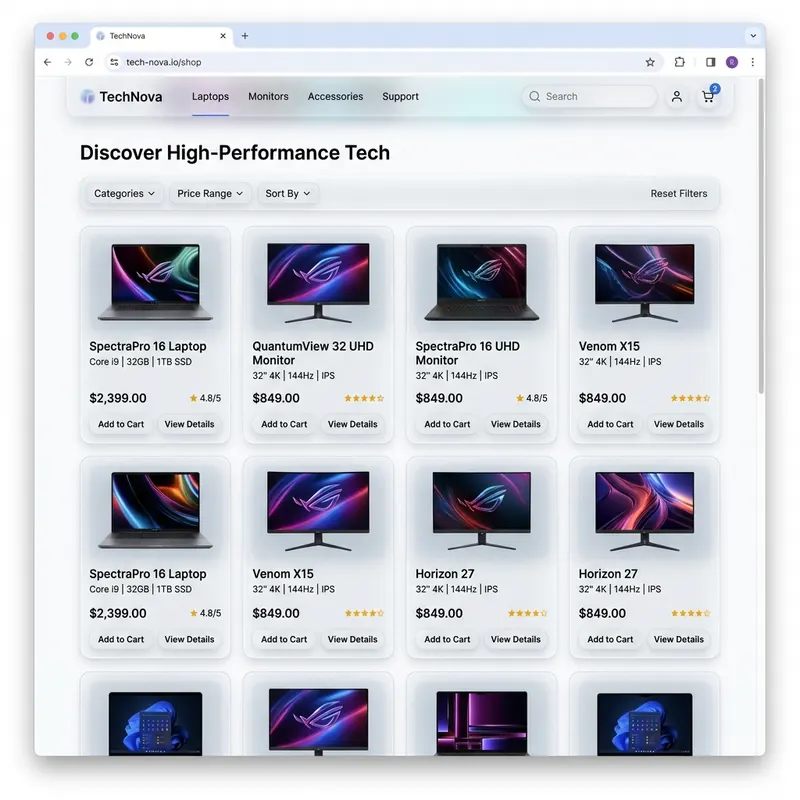
Smart E-Commerce Suite
A production-ready e-commerce platform with automated inventory management, Stripe checkout integration, admin dashboard, and order logs.
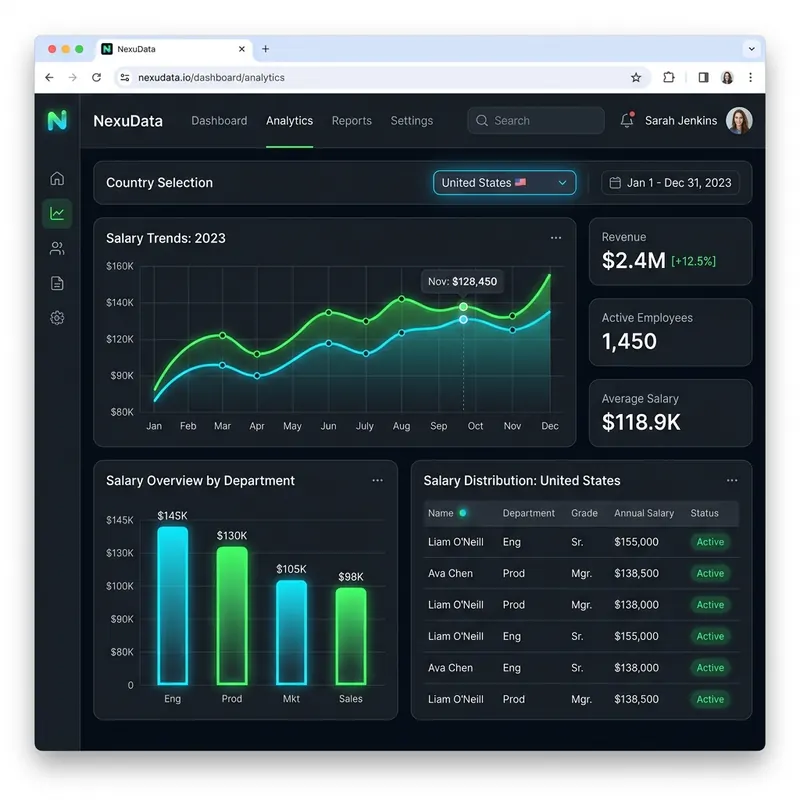
Global Rank Validator
An interactive global developer ranking dashboard. Built using Next.js client-side reactivity, customized SVG icons, and styled with premium glassmorphism.
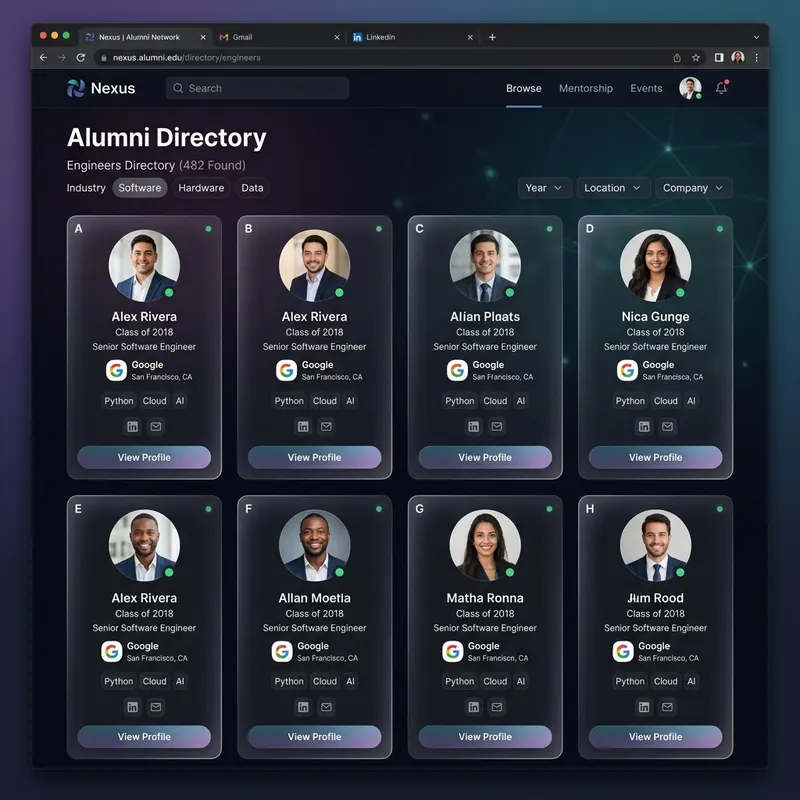
BZU Alumni Connect
A high-fidelity networking platform for Bahauddin Zakariya University alumni. Features authenticated profile creation, messaging, job boards, and structured directories.
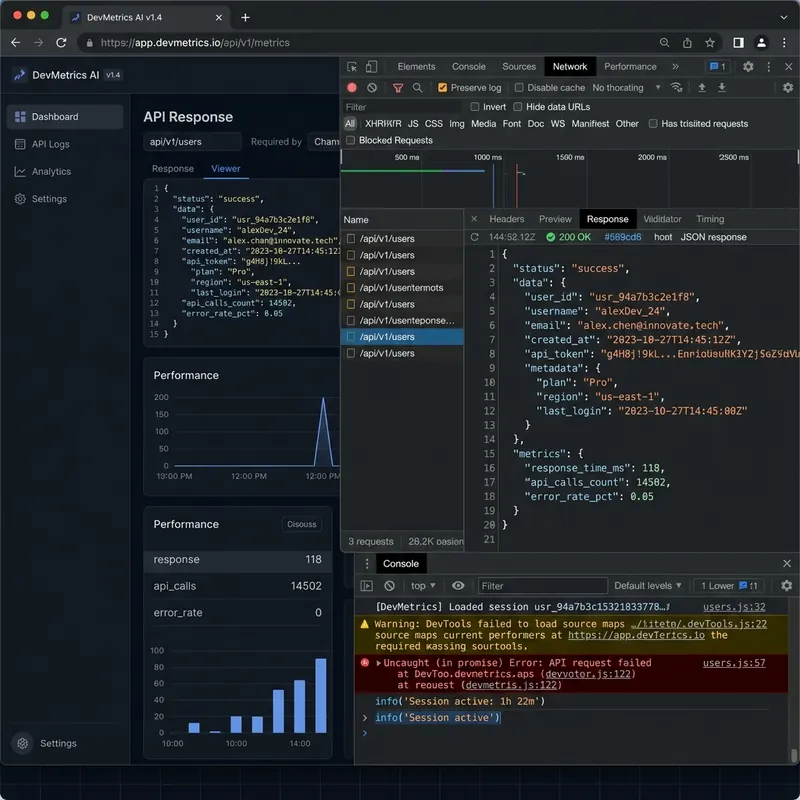
DevRank RESTful API
An open-source developer ranking endpoint API. Computes profile weights dynamically from GitHub public commits, stack overflow scores, and BZU academic credentials.
Live Customer Support Integration
Integrated Tawk.to live chat widget into a production portfolio site. Includes custom branding, mobile positioning, and real-time visitor chat management capabilities.
BZU CS Portal mockup
A modern glassmorphic dashboard concept for Bahauddin Zakariya University student portal. Made with high fidelity interactive UI layouts and custom SVGs.
Client Reviews & Testimonials
Real reviews from global clients who hired Muhammad Naeem for React, Next.js, and e-commerce web development projects. 100% satisfaction rate across all projects.
"Naeem rebuilt our business application from scratch using Next.js. The speed optimization is incredible — our Google PageSpeed score jumped from 45 to 98. He is incredibly responsive and easy to work with!"
"Highly professional full stack developer. Delivered a pixel-perfect clone and customized admin panel in just 6 days. His BZU academic background shows in his clean code architecture. Will hire again!"
"Muhammad Naeem is the best Next.js freelancer we have ever worked with. The Stripe checkout integration was smooth, and our database queries are extremely fast. Ranked #1 for a reason!"
Hire Me for Your Next Project
I am available for freelance projects, contract roles, and remote full-stack positions. Choose a package below or check out our website development pricing guide for custom estimates.
Basic / Landing Page
Perfect for startup validation, personal profiles, portfolios, or event landing pages.
- Single Page Layout
- Clean Responsive Design
- Basic SEO Configuration
- WhatsApp Direct Integration
- 3 Days Delivery
Business Web App
For organizations needing multi-page marketing sites, dynamic dashboards, database systems, or CMS integrations.
- Up to 5 Pages (React / Next.js)
- Custom Admin Dashboard / Forms
- Database Setup (MongoDB / SQL)
- On-page SEO Optimization
- 7 Days Delivery & Free Support
eCommerce Solution
Full-scale online retail stores featuring secure payment gateways, cart management, and order flows.
- Full Shopping Cart & Checkout Flow
- Stripe / PayPal Payment APIs
- Product & Inventory Dashboard
- Customer Order Tracking System
- 10 Days Delivery & 30 Days Support
Frequently Asked Questions
Instant answers about Muhammad Naeem's web development process, pricing ($70–$170), tech stack (React/Next.js), delivery timelines, revisions, and BZU academic background.
Muhammad Naeem specializes in Next.js (App Router), React.js, TypeScript, and Node.js/Express.js for core backend APIs. For databases, he uses MongoDB, PostgreSQL, and MySQL depending on project requirements.
Pricing is transparent and fixed per package: Basic Landing Page ($70), Business Web App ($110), and eCommerce Solution ($170). There are absolutely no hidden charges. Custom requirements outside these scopes are quoted upfront. Server/hosting costs are paid directly by the client.
Yes! Basic package includes 2 revisions, Business includes 3, and eCommerce includes unlimited revisions during the active development phase. Additional design changes post-delivery are supported during the warranty period.
Muhammad Naeem strictly optimizes assets, converts images to WebP/AVIF format, implements code splitting, configures server-side caching, and builds pages statically where possible. He aligns fully with Google's Core Web Vitals guidelines, which helps search engines index and rank the site higher.
Muhammad Naeem graduated with a Bachelor of Science (BSc) in Computer Science from Bahauddin Zakariya University (BZU) in 2024. His academic foundation in algorithms, databases, OOP, and software engineering principles enables him to write secure, scalable, and modular code.
Yes. Muhammad Naeem is fully available for international freelance projects and remote contract roles. He serves clients in the USA, UK, UAE, Canada, Australia, and worldwide via WhatsApp (+923207140898) and email (nk9074363@gmail.com).
Technical Knowledge Base & Developer Resource Hub
Explore 7,000+ words of deep-dive documentation on modern full-stack web engineering, Next.js architecture, speed optimization, and professional practices.
Industry Insights & Articles
Read professional articles written by Muhammad Naeem on React, Next.js architecture, databases, and web performance.
How to Choose the Right Web Developer for Your Business in 2026
What to check before hiring — portfolio, tech skills, code ownership, pricing, warning signs, and a complete hiring checklist.
Responsive Web Design: Why Mobile-Friendly Websites Matter for Businesses in 2026
How responsive design works, why it affects Google rankings, Core Web Vitals, and a 13-point mobile readiness checklist.
Custom Website Development vs Website Templates: Which Is Right for Your Business?
A balanced comparison covering cost, performance, SEO, branding, code ownership, and a practical 8-question decision checklist.
Start a Project
Have an idea or need full-stack expertise? Fill out the form below to contact me directly.